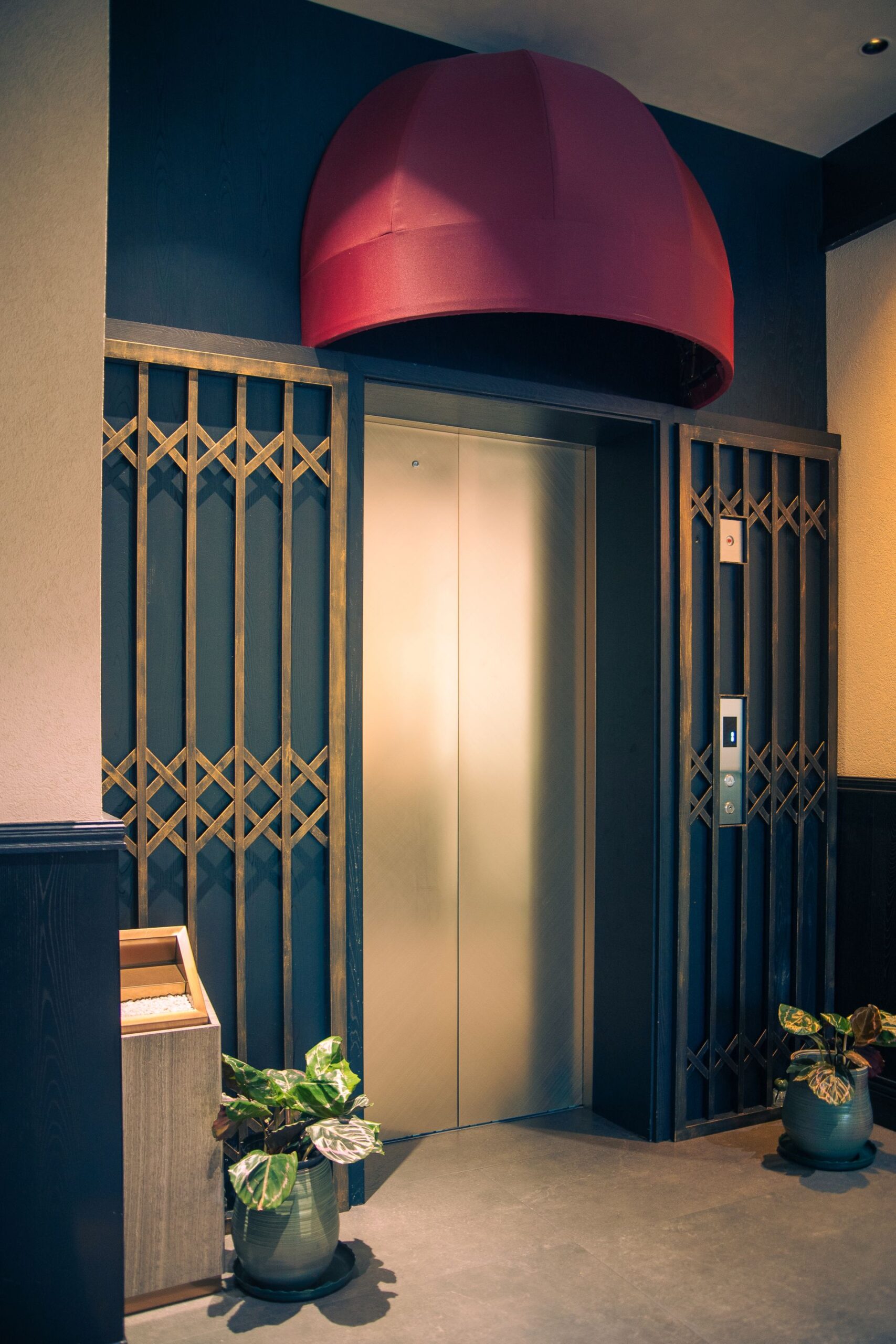
Elevators play an especially important role in senior living communities. In an apartment building or office, an elevator outage is inconvenient. In an assisted living facility, retirement community, or senior housing property, reliable elevator service can directly affect residents who may have limited mobility and depend on elevators to move safely between floors. The emergency phone inside that elevator deserves the same attention.
As traditional copper telephone infrastructure continues to age and carriers transition away from conventional POTS service, senior living facility managers are increasingly faced with a practical question: What is the best way to keep elevator emergency phones connected, reliable, and ready when they are needed?
LiftCom Services provides a straightforward answer with LiftCom Connect, a cellular communication solution designed to replace traditional telephone service for elevator phones and other critical building communication equipment.
Elevator Communication Matters in Senior Living
An elevator emergency phone is easy to overlook because, under normal circumstances, nobody uses it. The problem becomes apparent when a passenger presses the emergency call button and expects someone to answer.
For a senior living facility, that passenger may be an elderly resident, a person using a wheelchair or mobility device, a visitor unfamiliar with the property, or an employee assisting a resident. A working emergency communication system gives that passenger a way to reach trained personnel and communicate what is happening. That makes elevator phone reliability an important part of facility operations.
Building management needs to know that the phone works, that the communication connection remains active, and that the system is capable of performing properly when tested or used during an actual elevator emergency.
Aging Copper Phone Lines Create New Problems
For decades, elevator emergency phones commonly relied on dedicated copper telephone lines. These POTS lines provided a familiar dial tone and a relatively simple connection between the elevator telephone and the outside telephone network. That infrastructure is changing.
Telephone carriers have been transitioning away from legacy copper networks as modern telecommunications increasingly move to cellular, fiber, and IP-based systems. For property owners, this can mean higher monthly costs for traditional telephone lines, more difficulty obtaining service, and uncertainty about how long existing copper infrastructure will remain practical.
Senior living facilities may be particularly affected because they often operate multiple elevators and other communication systems across a single property or portfolio of properties. Paying for aging telephone infrastructure month after month can become an unnecessary operating expense. Replacing the entire elevator phone system is not necessarily the answer.
LiftCom Connect allows facilities to modernize the communication connection while continuing to use compatible existing elevator phone equipment.
How LiftCom Connect Works
LiftCom Connect acts as the bridge between an existing elevator telephone and a modern cellular network.
From the perspective of the elevator phone, the system provides the telephone interface it expects. LiftCom Connect then carries the call over cellular service instead of depending on a conventional copper telephone line.
This approach makes it possible to upgrade the underlying communication technology without unnecessarily replacing equipment that may still be functioning properly.
For facility managers, that means the transition from copper to cellular can be much simpler than a major elevator communication system replacement.
It also creates a clearer path forward as traditional telephone infrastructure continues to disappear.
Cellular Service Can Simplify Elevator Phone Management
Senior living facilities already have a long list of systems requiring ongoing attention: elevators, fire and life-safety equipment, access control, HVAC, security systems, emergency power, resident services, and communications infrastructure.
Elevator telephone service should not become another recurring problem.
LiftCom Services can evaluate the existing elevator communication equipment, install LiftCom Connect where appropriate, verify operation, and help ensure the completed installation is functioning properly.
For properties with several elevators, transitioning away from individual conventional phone lines can also make telecommunications expenses easier to understand and manage.
Instead of continuing to pay escalating charges for aging telephone infrastructure, management can move the elevator communication system onto a technology designed for today’s telecommunications environment.
Reliability Is About the Entire Communication Path
An elevator telephone is only one part of an emergency call.
When a passenger activates the emergency phone, the call must travel from the elevator equipment through the building’s communication connection and ultimately reach the appropriate answering or monitoring service. Communication must then work in both directions.
A problem anywhere along that path can result in a failed call.
That is why LiftCom looks beyond simply providing cellular service. Proper installation, signal quality, equipment compatibility, testing, and the handoff to the facility are all important parts of creating a dependable elevator communication solution.
This is particularly important for senior living properties, where management teams need confidence that emergency systems have been installed professionally and can be tested as part of normal preventative maintenance.
Preparing for Elevator Inspections
A dead or unreliable elevator phone can become an unpleasant surprise during an inspection.
Facilities can reduce that risk by treating elevator communications as equipment that should be periodically verified rather than something that is forgotten until a problem occurs.
The emergency call button should initiate the expected call. Two-way communication should be clear. The connection should reach the intended answering point, and the overall system should meet the requirements applicable to the elevator and property.
Moving away from a deteriorating or unreliable telephone connection can eliminate one potential source of communications trouble.
LiftCom Services can help senior living facility managers evaluate existing elevator phone service and determine whether a cellular conversion with LiftCom Connect makes sense before a communications problem turns into an inspection issue.

A Practical Upgrade for Existing Senior Living Properties
Many senior living communities were constructed long before cellular building communications became commonplace. That does not mean the entire property needs to be rewired or its elevator telephone equipment immediately replaced.
One of the primary advantages of a copper-to-cellular solution such as LiftCom Connect is its ability to modernize an existing installation.
An older elevator may continue to perform its primary job perfectly well. Its emergency telephone may also remain serviceable. The weak link can simply be the traditional telephone line connecting that equipment to the outside world.
LiftCom Connect addresses that connection.
This makes cellular conversion particularly attractive for established assisted living facilities, retirement communities, skilled nursing properties, independent senior housing, and other managed residential facilities looking to modernize infrastructure without creating an unnecessarily disruptive project.
Elevator Phones Are Only Part of the Picture
Senior living properties frequently have other communication equipment that was designed around traditional telephone service.
Entry intercoms, gate systems, emergency phones, and similar equipment may also depend on legacy telephone connections. As copper service becomes more expensive or difficult to maintain, facility managers may find themselves dealing with the same problem in several areas of the property.
LiftCom Services can evaluate these systems and identify opportunities where cellular connectivity may provide a more practical long-term solution.
For a facility with multiple buildings or several properties under management, this can become part of a broader strategy for reducing dependence on aging copper telephone infrastructure.
A Better Long-Term Plan for Senior Living Communications
Senior living facility management requires balancing resident safety, regulatory responsibilities, maintenance demands, and operating costs. Elevator communication service touches all four.
Waiting for an old telephone line to fail is rarely the best migration strategy.
LiftCom Services helps facilities take a proactive approach by evaluating existing elevator phone connections and converting appropriate systems to LiftCom Connect cellular service.
The result is a modern communication path without automatically requiring replacement of otherwise functional elevator telephone equipment.
For senior living communities planning facility upgrades, reviewing telecommunications expenses, preparing for elevator inspections, or simply questioning why they are still paying for traditional copper phone lines, now is a good time to evaluate the alternatives.
Contact LiftCom to schedule an evaluation and start planning your transition from legacy telephone service to dependable cellular connectivity.
LiftCom Services can inspect your existing elevator communication setup and determine whether LiftCom Connect is a good fit for your facility.